
Strong mental habits grow through daily practice, social contact, and steady learning. In independent living in Chelmsford, MA, you can support brain health with simple routines that fit retirement life.
Adults aged 65 and older made up 17% of the U.S. population in 2022, according to the U.S. Census Bureau. Longer lives mean more years to protect brain function and stay mentally strong. Retirement brings freedom; it also calls for steady mental challenge to guard memory and focus.
Growth does not stop after a career ends. In independent living, daily choices can shape how clearly you think and how fully you live. Simple habits, steady routines, and shared experiences all fuel a lively mind.
How Can Daily Habits Strengthen Your Mind?
Daily habits shape how well your brain performs over time. Simple actions like reading, writing, and learning a new skill can sharpen recall and focus. Consistent routines give your mind structure and steady challenge.
Morning puzzles, short walks, and group talks all stimulate thought. Social contact adds depth to memory and mood. Over time, small efforts build stronger thinking patterns and greater confidence.
Why Does Social Connection Matter for Brain Health?
Isolation can slow thinking and weaken motivation. Shared activities keep conversation flowing and ideas fresh. Group settings create natural moments for laughter and learning.
Clubs, book circles, and hobby groups spark curiosity. Fresh dialogue stretches your perspective and keeps reasoning active. Regular interaction supports emotional balance and stronger cognitive health.
Build Strong Daily Routines
Structure gives your brain steady fuel. Clear routines support mental stimulation for seniors and help maintain focus through the day. Consistency builds cognitive strength.
Start with small habits that challenge memory and reasoning:
- Morning puzzles
- Reading time
- Memory games
- Journaling practice
- Skill practice
Regular habits protect independent living, brain health, and reduce mental drift. Purposeful activity creates rhythm; rhythm supports sharper recall. Over time, structured days feel energizing rather than repetitive.
Embrace Lifelong Learning
Learning keeps curiosity alive at any age. Lifelong learning seniors in Massachusetts programs offer classes, lectures, and creative workshops. Curiosity keeps your mind agile.
Choose topics that stretch your thinking:
- Art classes
- History talks
- Tech lessons
- Language groups
- Writing clubs
New knowledge supports cognitive wellness retirement goals and strengthens problem-solving. Study sessions add meaning to your week. Fresh ideas prevent mental stagnation.
Stay Socially Engaged
Conversation sharpens memory and reasoning. Senior mental engagement grows through shared stories and group projects. Connection fuels clearer thinking.
Look for interactive activities such as:
- Book circles
- Card games
- Debate groups
- Volunteer teams
- Faith gatherings
Group interaction reduces mental fatigue and sparks new ideas. Strong social ties reinforce independent living and brain health. Active friendships bring steady mental challenge.
Move Your Body to Boost Your Brain
Physical movement increases blood flow to the brain. Exercise supports mental stimulation for seniors and improves mood. Movement refreshes mental clarity.
Add gentle activity into your week:
- Walking groups
- Yoga sessions
- Stretch classes
- Dance lessons
- Tai chi
Regular motion supports cognitive wellness retirement plans, and sharpens attention. Even short sessions lift energy. Active bodies often support active minds.
Practice Creative Thinking
Creative work strengthens memory and imagination. Painting, music, and crafts boost senior mental engagement through hands-on focus. Creativity awakens hidden potential.
Explore expressive outlets such as:
- Watercolor art
- Choir practice
- Wood crafts
- Poetry writing
- Photography walks
Artistic hobbies enhance lifelong learning efforts. Creative thinking challenges your brain in new ways. Fresh expression builds confidence and deeper concentration.
Strengthen Focus Through Brain Games
Brain games sharpen logic and speed. Structured challenges support mental stimulation for seniors and protect memory over time. Challenge sparks sharper recall.
Add focused games into your weekly routine:
- Crossword puzzles
- Sudoku grids
- Word searches
- Logic apps
- Chess matches
Support Memory With Mindful Reflection
Quiet reflection in calming spaces strengthens recall and emotional balance. Guided mindfulness supports cognitive wellness, retirement goals, and reduces mental clutter. Calm thinking strengthens memory pathways.
Try simple reflection habits each day:
- Deep breathing
- Gratitude lists
- Guided meditation
- Prayer time
- Quiet journaling
Frequently Asked Questions
How Often Should Seniors Engage in Mental Activities?
Daily mental activity works best for long-term brain strength. Short sessions of 15 to 30 minutes can sharpen focus and memory over time. Consistency matters more than intensity.
Weekly variety also helps. Rotating between reading, puzzles, and group talks challenges different parts of the brain. Steady effort keeps thinking skills active and resilient.
Can Social Activities Really Improve Memory?
Regular social contact supports recall and reasoning. Conversation forces your brain to process words, emotions, and responses in real time. Social exchange strengthens attention span.
Group settings also lift mood, which links closely to memory health. Positive emotion reduces mental fatigue. Shared laughter can refresh your thinking patterns.
What Types of Learning Are Best in Retirement?
Learning that feels meaningful will hold your focus longer. History, art, language, and technology classes all stretch cognitive skills. Practical workshops add hands-on challenge.
Balanced learning works well. Mix discussion-based sessions with creative or technical practice. A varied study keeps neural pathways active.
Does Physical Exercise Help Cognitive Function?
Movement increases circulation to the brain. Better blood flow supports clearer thinking and faster processing speed. Even light walking can make a difference.
Exercise also reduces stress hormones. Lower stress supports stronger concentration and recall. Pairing movement with social interaction brings added mental benefit.
Can Diet Influence Cognitive Health in Retirement?
Balanced meals support steady brain function. Nutrient-rich foods such as leafy greens, berries, whole grains, and healthy fats help protect memory over time. Proper hydration also supports concentration and mental clarity.
Sugar-heavy diets can lead to energy crashes and brain fog. Simple meal planning keeps blood sugar stable and supports clearer thinking.
Independent Living in Chelmsford, MA, and Lifelong Brain Strength
Strong daily habits, steady learning, and real connection all shape how well you think and feel. In independent living in Chelmsford, MA, mental growth can stay active through structured routines and shared experiences.
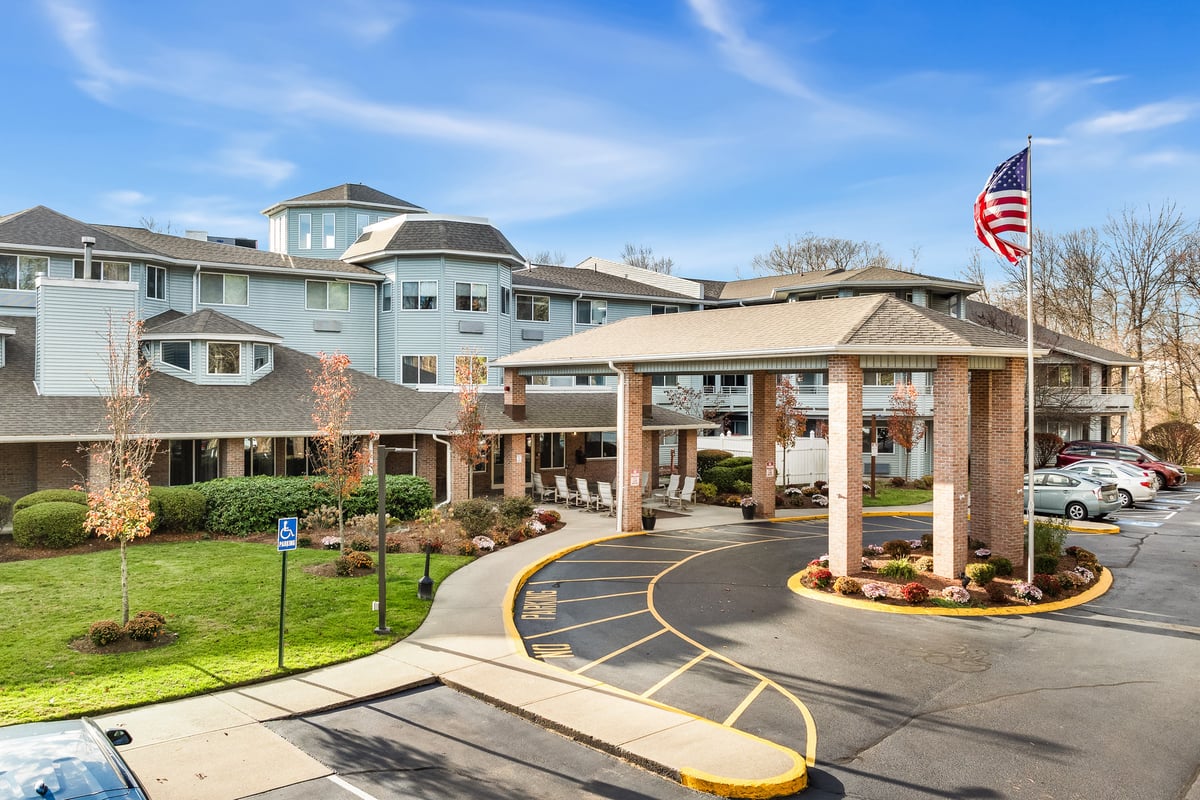
Summer Place in Chelmsford offers vibrant independent living with engaging social calendars, creative programs, and enriching daily activities designed to keep your mind and spirit active. Residents enjoy chef-prepared dining, thoughtfully planned events, and welcoming community spaces that encourage connection and growth in every season of retirement.
Schedule a tour at Summer Place and experience a community where curiosity thrives, friendships flourish, and each day brings fresh opportunity for meaningful living.